There are no items in your cart
Add More
Add More
| Item Details | Price | ||
|---|---|---|---|

NEW COURSE!
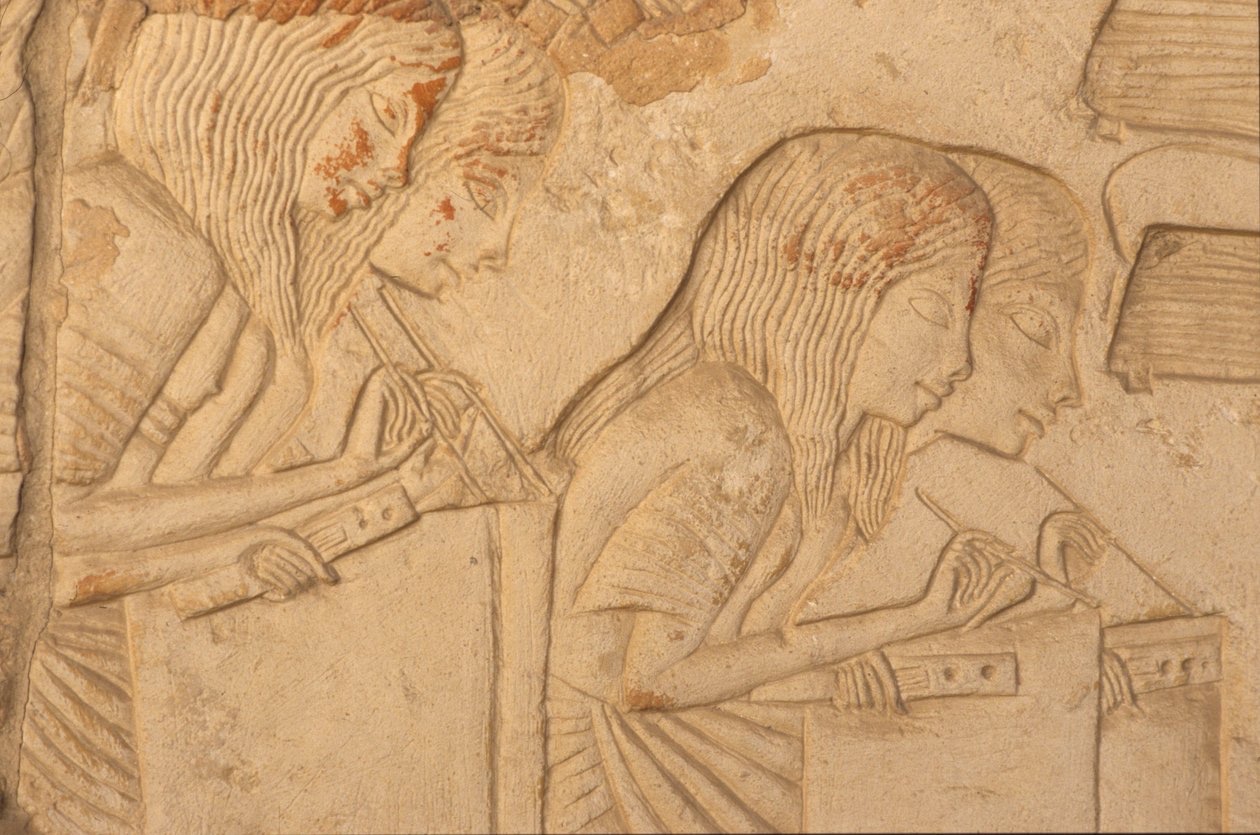
Scribes at work. From the Tomb of Horemheb, ca. 1323-1295 BCE.
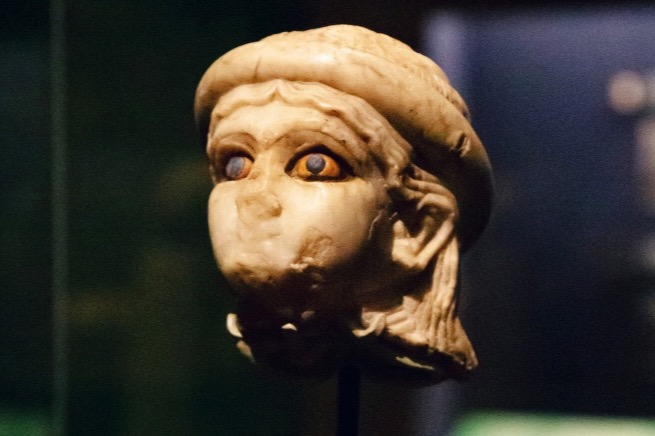
Head of high priestess from Babylon, ca. 2334-2154 BCE.
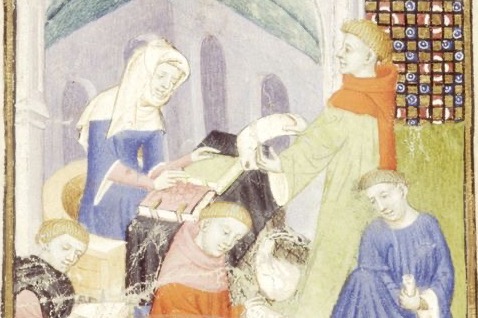
Scriptorium under a woman's supervision. Paris, ca. 1410-1414 CE.
...the impact of women in the transmission and interpretation of the biblical texts from the Middle Ages to Modernity.
...the evidence for ancient women writers from Mesopotamia, Egypt, and Greece, as well as in the biblical texts themselves.
. . . the historical contexts of the women who have had a hand in the making, circulation, and interpretation of the Bible.
Taught by an internationally respected historian and biblical scholar.
Considered one of the brightest scholars in his field, Dr. Jacob L. Wright (Emory University) is an expert on the history of the Bible and the ancient Near East. He is author of many books, and his most recent was on The New Yorker's "Best of 2023" and Publishers Weekly "Best Five Books in Religion for 2024."
A SPECIAL OFFER
I've been writing all my life. And I can't say that I've always enjoyed it. Writing is often painful, even more than physical labor.
But writing about the earliest writers in history can be a lot of fun. And what makes it even more interesting for me is working with student-writers on the works of ancient authors.
As part of this course, I am offering the opportunity to write a research paper. Please reach out to us to learn about the fee structure.
Tolle scribe!*
JW
*Latin for "pick up and write." It's my play on Augustine's tolle lege ("pick up and read"), words that he heard from a child and that prompted him to read the Bible for the first time.
 Launch your Graphy